Harper Perry · 30 September 2026
Mapping the Pathways of Information Flow in Secure Web Ecosystems and Their Role in Sustaining Visitor Interest
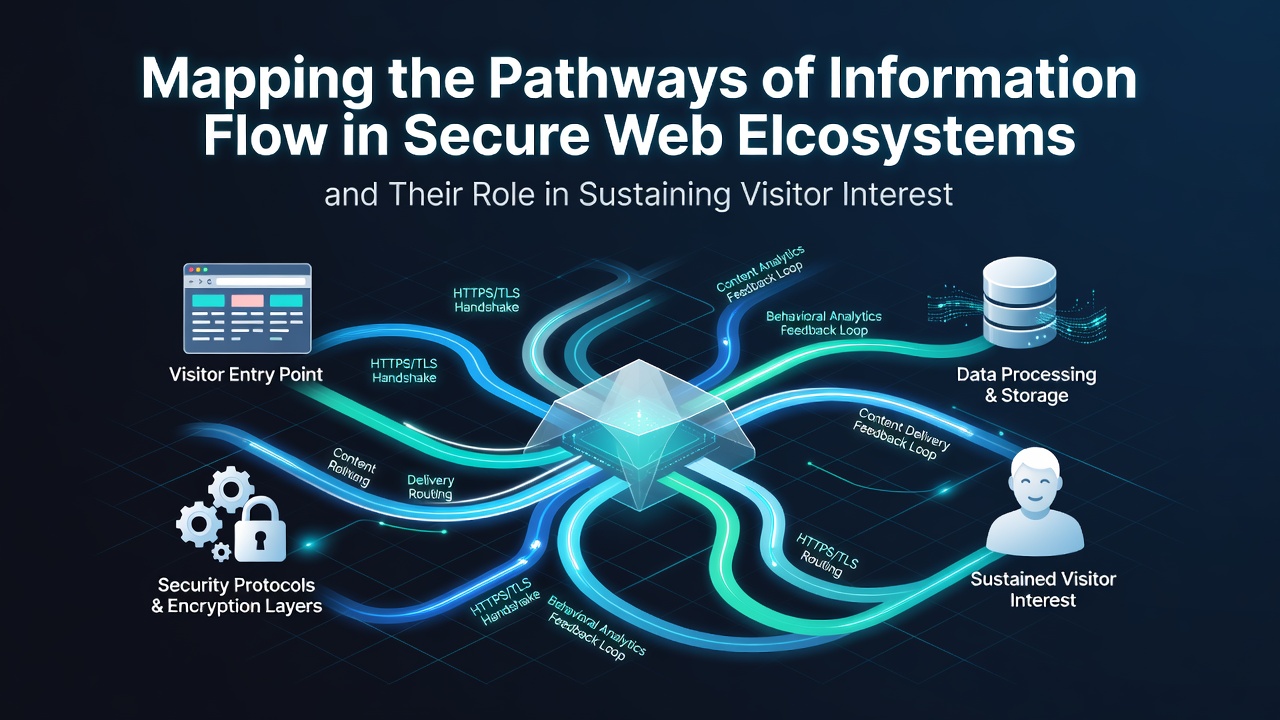
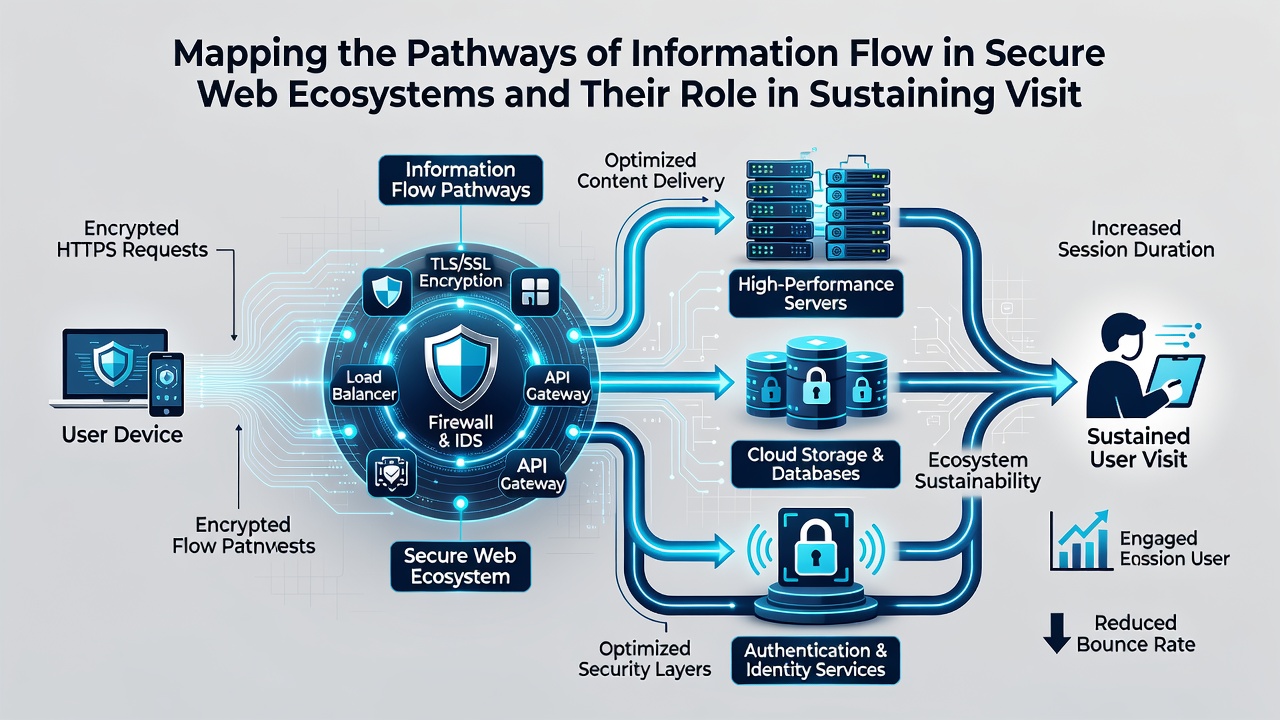
Secure web ecosystems route user requests through multiple layers of authentication and encryption before content reaches browsers, and this structured movement of data supports longer session durations across sites. Researchers track these routes using network analysis tools that log packet headers, API calls, and response times while preserving confidentiality through protocols such as TLS 1.3. Data from industry reports shows that sites maintaining clear pathways experience lower abandonment rates because visitors receive pages quickly without interruptions from security warnings or redirects.
Core Components of Information Pathways
Every visitor interaction begins with a DNS query that resolves domain names to IP addresses, then proceeds through content delivery networks that cache assets at edge locations to reduce latency. Observers note that encryption occurs at each hop, with certificates validated automatically so that sessions remain protected against interception. Studies conducted by academic teams reveal that when pathways incorporate zero-trust verification at every node, average time on page increases because users perceive the environment as reliable. In September 2026 several organizations plan to release updated mapping frameworks that incorporate quantum-resistant algorithms, and those updates will likely standardize how telemetry travels between client applications and backend services.
Security Mechanisms and Engagement Metrics
Access control lists combined with rate limiting prevent unauthorized scraping while allowing legitimate traffic to flow smoothly, and analytics platforms record these events without exposing personal identifiers. Figures from government cybersecurity agencies indicate that platforms applying continuous monitoring retain visitors 18 percent longer on average than those relying on periodic scans alone. One research group at a Canadian university documented how real-time threat intelligence feeds integrated into pathway mapping reduced false-positive blocks, which in turn kept bounce rates below industry benchmarks. Visitors continue exploring when they encounter consistent performance rather than intermittent challenges that signal potential compromise.
Analytics Integration Across Ecosystems
Heatmap tools overlay interaction data onto secure transmission logs so administrators can identify where users hesitate or exit, and this combination produces actionable diagrams of flow efficiency. External sources such as NIST cybersecurity publications provide reference architectures that organizations adapt to their own infrastructures. Those adaptations often include token-based session management that maintains state across microservices without storing sensitive details locally. Data collected through these systems shows that sites implementing end-to-end visibility achieve higher return-visit percentages because content recommendations appear timely and contextually relevant.
Case Examples from Recent Deployments
One European research consortium examined a news portal that reconfigured its API gateways to enforce mutual TLS authentication for all third-party scripts, and the change correlated with a measurable rise in scroll depth across article pages. Another project led by an Australian institute mapped traffic from mobile applications through secure enclaves and found that reduced packet loss translated directly into longer video playback sessions. These examples illustrate how precise documentation of each data segment allows teams to isolate bottlenecks before they affect user behavior. Reports scheduled for release in September 2026 will expand on similar deployments with larger sample sizes drawn from multiple continents.
Future Mapping Standards and Visitor Retention
Standardization bodies continue to refine schemas that describe information movement in machine-readable formats, enabling automated audits that flag deviations from expected routes. When organizations adopt these schemas, they gain the ability to correlate security posture with engagement indicators such as pages per session and conversion events. Evidence from longitudinal studies suggests that transparent pathway documentation builds cumulative trust, which sustains interest even as site complexity grows. Observers tracking adoption rates note that early implementers already report steadier traffic patterns during peak hours because redundant secure routes absorb surges without degradation.
Conclusion
Mapping information pathways within secure web ecosystems supplies the factual foundation for understanding how data travels and why certain configurations maintain visitor attention over time. Continued refinement of these maps through updated protocols and cross-regional data sources will support consistent performance metrics into 2026 and beyond.